
Draft Trump EO would loosen commercial space regs, citing national security links
The draft EO would eliminate, waive and/or loosen federal environmental protection reviews required for launch licenses, including for those from Space Force ranges.
The draft EO would eliminate, waive and/or loosen federal environmental protection reviews required for launch licenses, including for those from Space Force ranges.

While US spending on national security space continues to dwarf that of the rest of world, non-US military space spending has jumped a whopping 76.5 percent over the last five years.


Consolidate network monitoring, performance management, and fault isolation into a single, comprehensive solution.

The new strategy strongly echoes the US Space Force's Commercial Space Strategy published in April 2024, and copies some of the implementation tools the service has put into place.

Beyond the potential consequences for the US industry, a reduction in NRO acquisition of commercial imagery also could directly impact US and allied military commanders in the field and US agencies charged with disaster relief, industry and government officials warned.

While the current focus on the TacRS program is space domain awareness, Col. Bryon McClain, SSC's head of Space Domain Awareness and Combat Power, said other sorts of operational missions might be undertaken in the future.

"It's a way for them to understand what the threat is, but also they will have the ability to reach back to the government if they actually see something. So, we're trying to have a give-and-take discussion," Col. Richard Kniseley, the head of SSC's Commercial Space Office (COMSO) that manages Front Door, told Breaking Defense in an interview March 21.


Cybersecurity skills must evolve in near-real time as Zero Day threats continue and AI provides new challenges.

"Going back to pre-Ukraine supplemental procurement levels would see the USG buying only a small fraction of the US commercial SAR capacity available; hardly enough to support combat operations or sustain a healthy US industrial base," said David Gauthier.
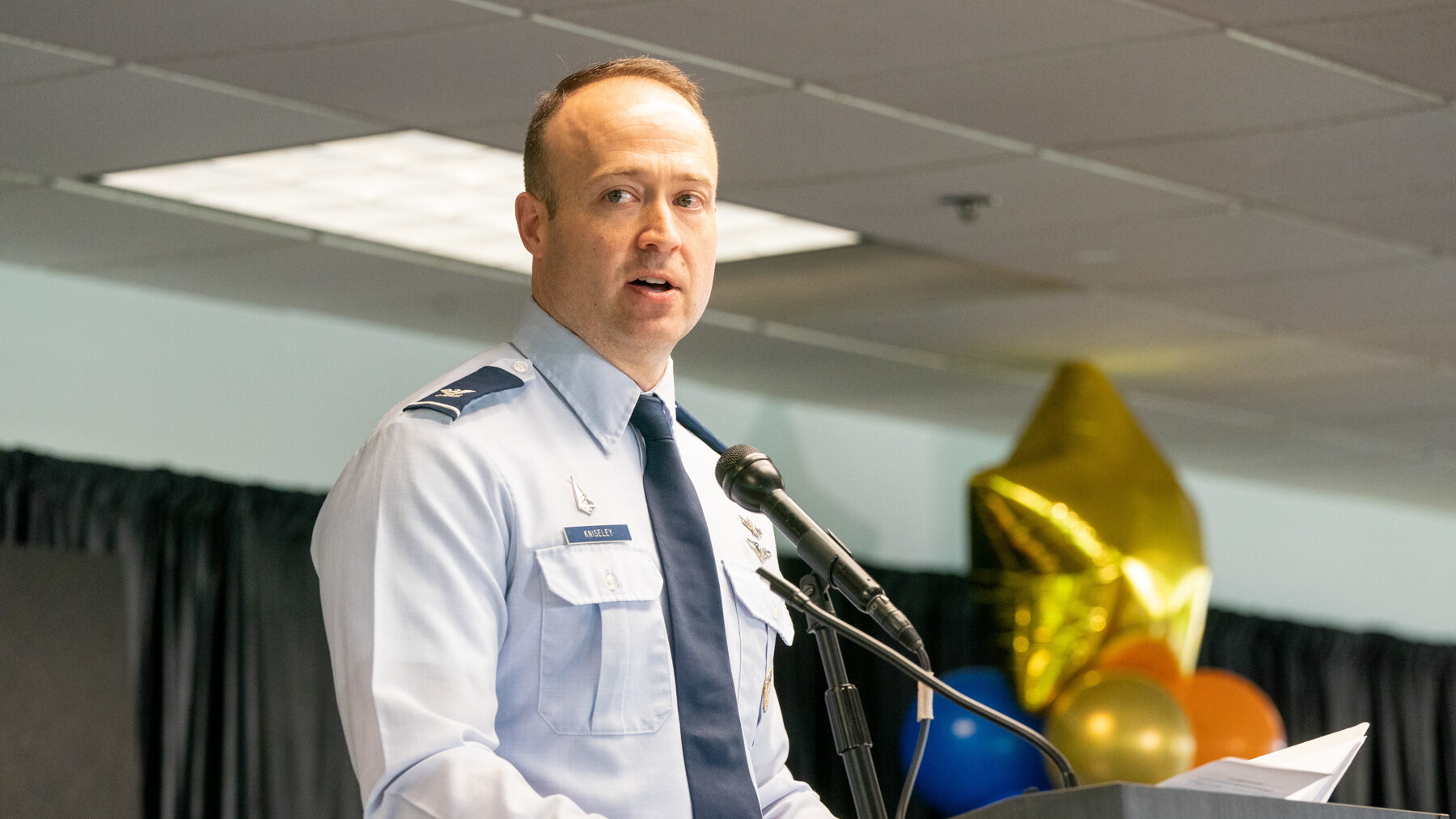
The Space Force is "still working through some issues or obstacles or challenges with industry," including clauses that would allow the Pentagon to direct a CASR participant to deny service to other customers, and when military users would get "priority of service," Col. Richard Kniseley told Breaking Defense.

The space service’s new “Data & AI Strategic Action Plan” emphasizes overhauling UDL, aiming to finally integrate its private-sector data with operational Space Force systems.

Even just "mapping the supply chain is hard stuff," said Reza Nikfarjam, deputy director of the Credit Program at the Pentagon's Office of Strategic Capital (OSC).
Michigan’s defense ecosystem and expertise makes it a special asset for production.

The idea behind the commercial reviews is to find potential alternatives for "getting us out of one-off, billion-dollar systems into a proliferated architecture," said Maj. Gen. Stephen Purdy.
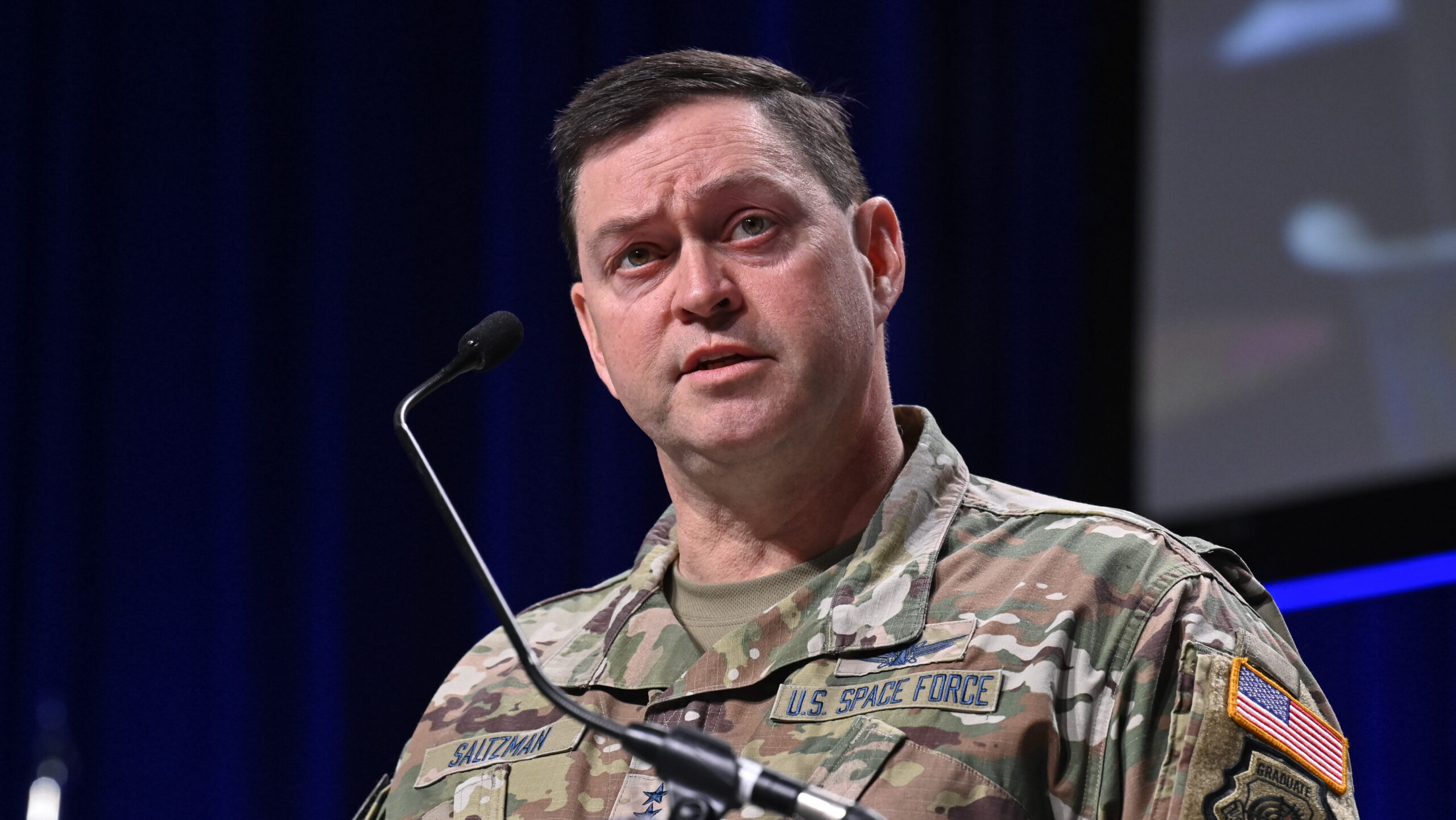
The new report cautions the Space Force against an "over reliance" on commercial capabilities and worries that Space Force is not concentrating enough on the need to win future space conflicts not simply "endure" attacks.

"In the increasingly chaotic realm of space, the United States’ position is slipping," warns the Council on Foreign Relations in its new report on America's space leadership challenges.

While Pentagon launches are not covered by FAA rules, a healthy and, importantly, diverse rocket industry base is important to the Space Force for keeping its launch costs down.